


Ready to Turn Your Expertise into a High-Paying Speaking Career?
This is an important question: have you always wanted to turn your expertise into a high-paying speaking career? If you want to build an empire around your message, join us for “Speak and Get Paid: How Five Bestselling Authors Built Their Empires.” Inspired by Inside...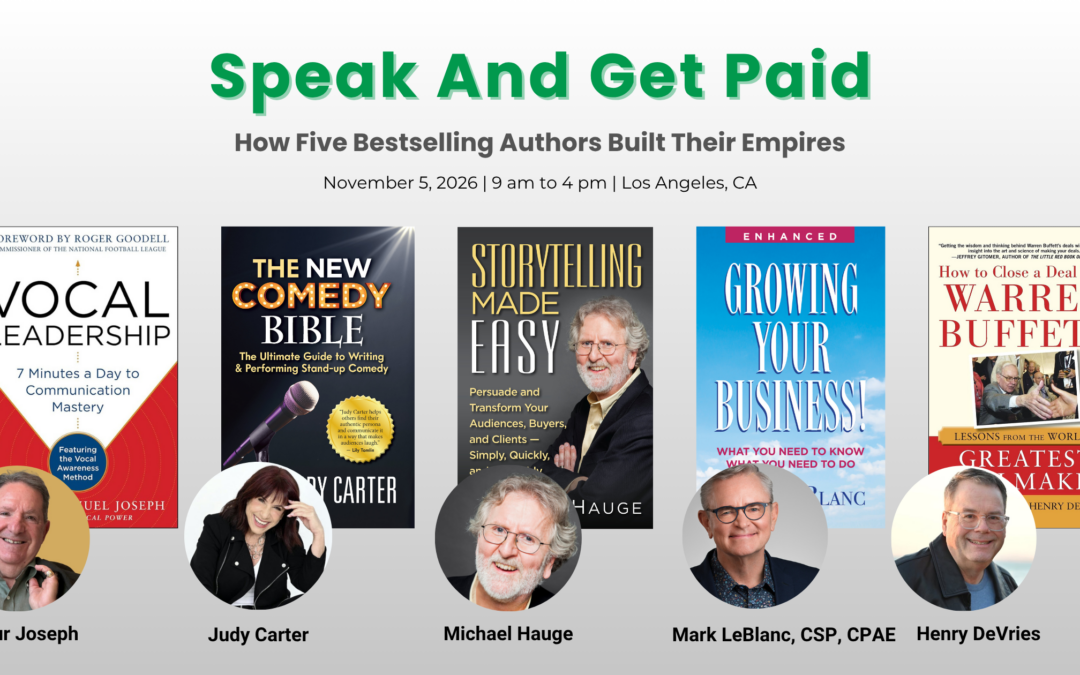
What James Lipton Can Teach Professional Speakers
I have been given a fascinating assignment. Henry DeVries invited me to moderate a UCLA masterclass, Speak and Get Paid, interviewing five legends whose expertise spans voice, comedy, business, storytelling, speaking, writing, and publishing. They are: Arthur Samuel...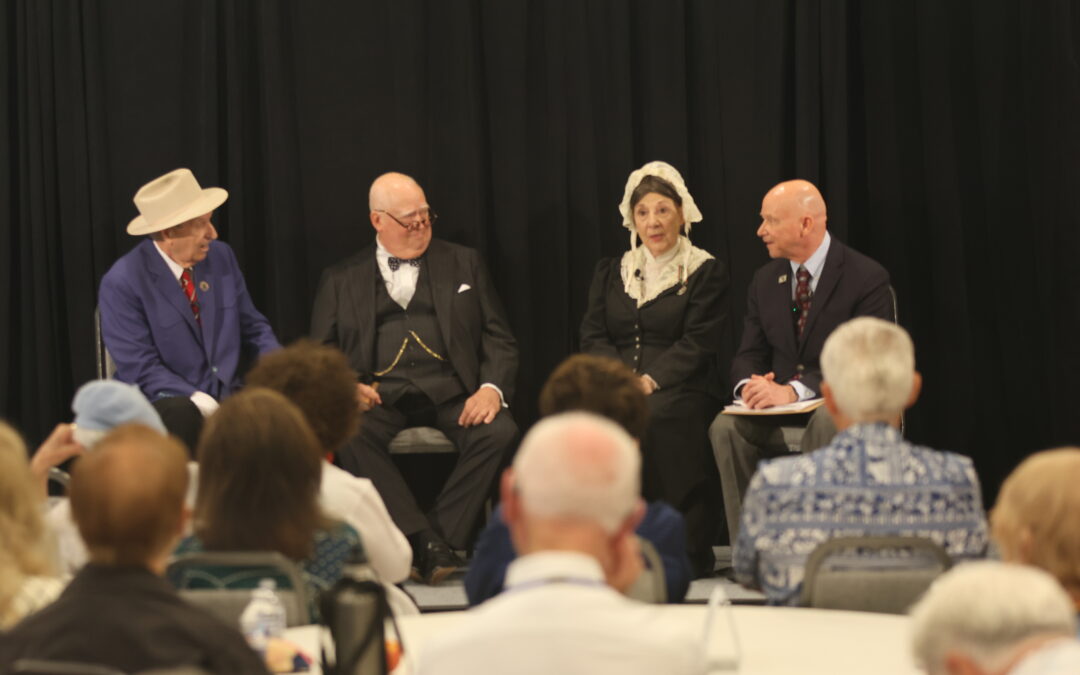
When History Comes Alive on Stage
Recently, I attended a fascinating speakers’ conference, the Veteran Speakers Network. Terry Brock hosted the Friday evening entertainment, creating his own version of Steve Allen’s Meeting of Minds. Meeting of Minds was an unusual and highly regarded PBS television...
What You Can Say Instead of “I’m Sorry” and Build Credibility
A client recently asked me to come up with suggestions for her team members who were overusing the phrase, “I’m sorry” with clients. “I’m sorry” is important when a genuine apology is called for. However, many professionals have developed the habit of apologizing...